Blog

Ensuring Your Car is Road Trip Ready: A Summer Guide

Summer is synonymous with road trips - the season where adventure beckons and the open road calls out for exploration. Whether it's a weekend escape to the beach or a long-haul journey to the mountains, one thing remains paramount - the need to ensure your vehicle is road trip ready. Before embarking on your next summer adventure, it's crucial to prioritize the safety and maintenance of your car, starting with checking your brakes and tires.

1. Brake Maintenance:

Brakes are arguably one of the most critical components of your vehicle, and the wear and tear on them can vary based on your driving habits. City drivers who navigate stop-and-go traffic regularly may need to replace their brakes more frequently than those cruising on rural roads with less frequent stops.
When inspecting your brakes, pay particular attention to the front brakes, as they bear the brunt of the braking workload. Ideally, brake pads should measure between 3 and 10 millimeters in thickness. Any screeching or grinding noises when applying the brakes are red flags indicating the need for immediate attention.

Besides the brake pads, it's essential to have your calipers inspected for signs of rust, uneven wear, or warping. These components play a crucial role in the braking system and ensuring they are in good condition is vital for your safety on the road.

2. Tire Care:

Proper tire maintenance is vital for both safety and optimal performance. Regular tire rotations every 5,000 miles or six months help ensure even wear and extend the lifespan of your tires. Additionally, consistent monitoring of tire pressure not only maximizes fuel efficiency but also reduces the risk of flat tires or blowouts.

To quickly assess the tread wear on your tires, try the "penny test." Place a penny upside down into the tread grooves, with Lincoln's head facing you. If the tread only reaches the top of Lincoln's head, it's a clear indication that it's time to replace your tires and ensure proper traction on the road.

3. Visit Our Service Center:

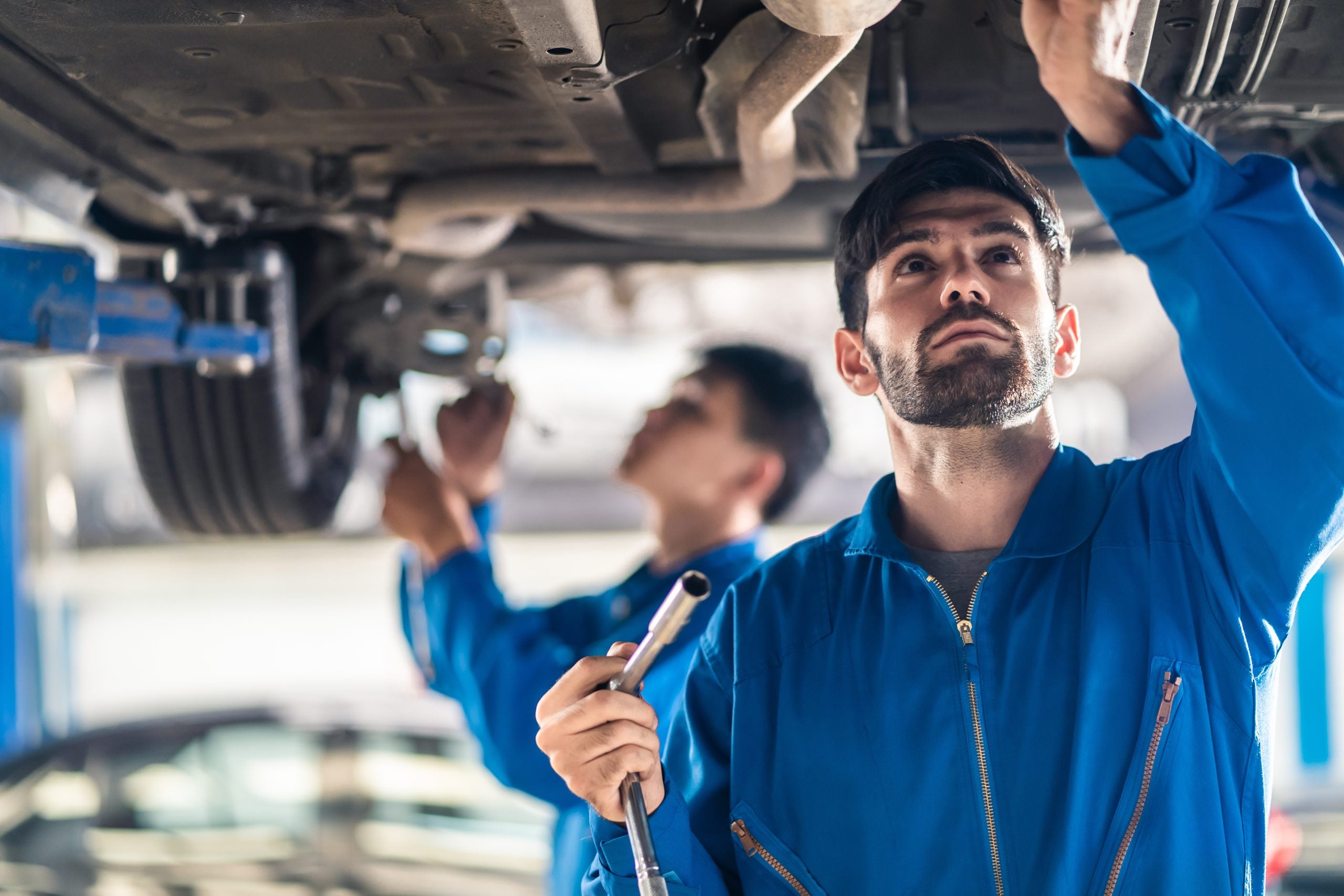
Prior to hitting the road for your summer escapades, a visit to our service center is highly recommended. Our GM Certified Technicians are equipped to thoroughly inspect your vehicle's brakes and tires, ensuring they are in optimal condition for a safe and smooth journey ahead.

By entrusting your car to our experts, you can rest assured that your vehicle is road trip ready, allowing you to focus on creating unforgettable memories during your summer travels.

Remember, a well-maintained car not only enhances your safety but also contributes to a hassle-free road trip experience. Don't let faulty brakes or worn-out tires hinder your summer adventures - prioritize vehicle maintenance and embark on your next road trip with confidence!

In conclusion, a proactive approach to car maintenance, particularly focusing on brakes and tires, is key to ensuring your vehicle is road trip ready. Whether you're planning a short weekend getaway or a cross-country expedition, investing time and effort into pre-trip inspections can make all the difference in enhancing both your safety and enjoyment on the road. So, get your vehicle checked, pack your bags, and set off on a summer road trip to remember!

Recommended Posts

Tires on snow in the Midwest

How to Keep Your Tire Pressure Stable During a Midwest Winter

It’s that time of year again in the Midwest. As temperatures fluctuate warm and cold and we get glimpses of spring one day with snow the next, your tire pressure can be a little out of control. Ensuring your tire pressure is correct is very important to the overall health of your vehicle. Here’s what you need to know to make sure your PSI is stable and ready for whatever weather comes our way. Why Tire Pressure Changes in Cold Weather Tire pressure naturally fluctuates with temperature. For every 10-degree drop in outside temperature, tire pressure can decrease by about 1 PSI. In the Midwest, where one week can feel like winter and the next like spring, these swings happen often and sometimes overnight. That means a tire that was properly inflated yesterday could be underinflated today. Underinflated tires don’t just trigger that dashboard warning light; they can affect braking, handling, fuel efficiency, and overall tire lifespan too. The Risks of Driving on Improperly Inflated Tires When tire pressure is too low, more of the tire’s surface contacts the road. This increases friction and heat buildup, leading to faster wear and reduced fuel economy. Low pressure can also make steering feel sluggish and increase stopping distance, which is especially dangerous on wet or icy roads. Overinflated tires aren’t ideal either. Too much air reduces traction and can cause uneven wear, making it harder to maintain control during sudden stops or sharp turns. How to Check Your Tire Pressure Correctly To get an accurate reading, always check tire pressure when your tires are “cold,” meaning the vehicle hasn’t been driven for at least a few hours. Use a reliable tire pressure gauge and compare the reading to your vehicle manufacturer’s recommended PSI, not the number printed on the tire itself. You can usually find the correct PSI on a sticker inside the driver’s door or in your owner’s manual. During winter and early spring, check tire pressure at least once a month and anytime you notice a sudden change in temperature. Don’t Ignore the TPMS Light Your Tire Pressure Monitoring System (TPMS) is designed to alert you when pressure drops below a safe level. Cold weather is one of the most common reasons this light comes on. While it may turn off once temperatures warm up, that doesn’t always mean the issue has resolved. Treat the light as a reminder to manually check your tires and adjust as needed. Keep Your Tires Winter-Ready In addition to monitoring PSI, make sure your tires are in good overall condition. Check for uneven tread wear, visible cracks, or bulges, which can become more problematic in colder weather. Proper inflation combined with routine inspections helps your tires handle Midwestern road conditions more safely and efficiently. Let Hulett Help Keep You on the Road If you’re unsure whether your tires are properly inflated or notice frequent pressure changes, Hulett is here to help. Our team can inspect your tires, check pressure levels, and make sure your vehicle is ready for whatever winter and early spring weather throws your way. Schedule a visit with our Service Center team today.

dealership service workers

Why Dealership Service Centers Are Actually More Affordable Than Your Average Mechanic Shop

Most people are hesitant to take their car to the dealership when a repair is needed or routine maintenance is required. They envision jacked-up prices and a less personalized experience. And at first glance, these things might seem true. After all, dealerships are where you go to buy a car, and once you negotiate a good deal most people are intimidated to go back. But on closer inspection, dealership service centers can actually be more affordable, providing a much better long-term value for your vehicle, from people who know you and your vehicle well. Here’s why. Transparent Pricing and Maintenance Packages Dealerships follow manufacturer-recommended pricing and service schedules, which means you’ll know exactly what you’re paying for. Many offer bundled maintenance packages that include oil changes, tire rotations, and inspections at a set rate. Local mechanics, on the other hand, often have variable labor costs and may charge separately for each task, leading to unpredictable bills. Quality OEM Parts That Last Longer Dealerships use Original Equipment Manufacturer (OEM) parts, which are the parts made by the company that originally manufactured your vehicle. This means that the dealership is using parts designed specifically for your make and model, ensuring a perfect fit and long lifespan. Independent shops might use aftermarket parts that may cost less but will wear out faster and potentially cause more repairs down the road. Factory-Trained Technicians Who Know Your Vehicle At a dealership, your car is in the hands of factory-certified technicians who are trained specifically for your vehicle’s brand. They have access to brand-specific diagnostic tools, up-to-date service bulletins, and direct manufacturer support. That means faster, more accurate repairs and fewer return visits for the same issue. Warranty Coverage and Added Perks If your vehicle is still under warranty, the dealership can often perform repairs at no cost to you. Even after your warranty expires, dealership service centers may offer goodwill discounts or extended warranty programs. Plus, many dealerships include free vehicle inspections, car washes, shuttle service, or loaner cars, making the experience more convenient and cost-effective overall. Protect Your Vehicle’s Value Keeping your service records at a dealership helps maintain your car’s resale or trade-in value. A documented history of factory-recommended maintenance reassures future buyers and often earns a higher trade-in offer. It’s a long-term payoff that most local repair shops can’t match. The Best Auto Service & Repair in Camdenton, Missouri Dealership service centers aren’t just for new cars, they’re for smart drivers who want reliable service, predictable costs, and long-term savings. At Hulett Chevy, Buick, GMC, we strive to provide the best auto service around, at the best price. Between certified expertise, genuine parts, and warranty support, our Chevrolet, Buick, and GMC service department is in Camdenton, but also services Sunrise Beach, Laurie, Lake Ozark, and several other locations. The service department has a great reputation for providing excellent repair and maintenance. Schedule an appointment today!

How to Get the Best Gas Mileage Out of Your Vehicle

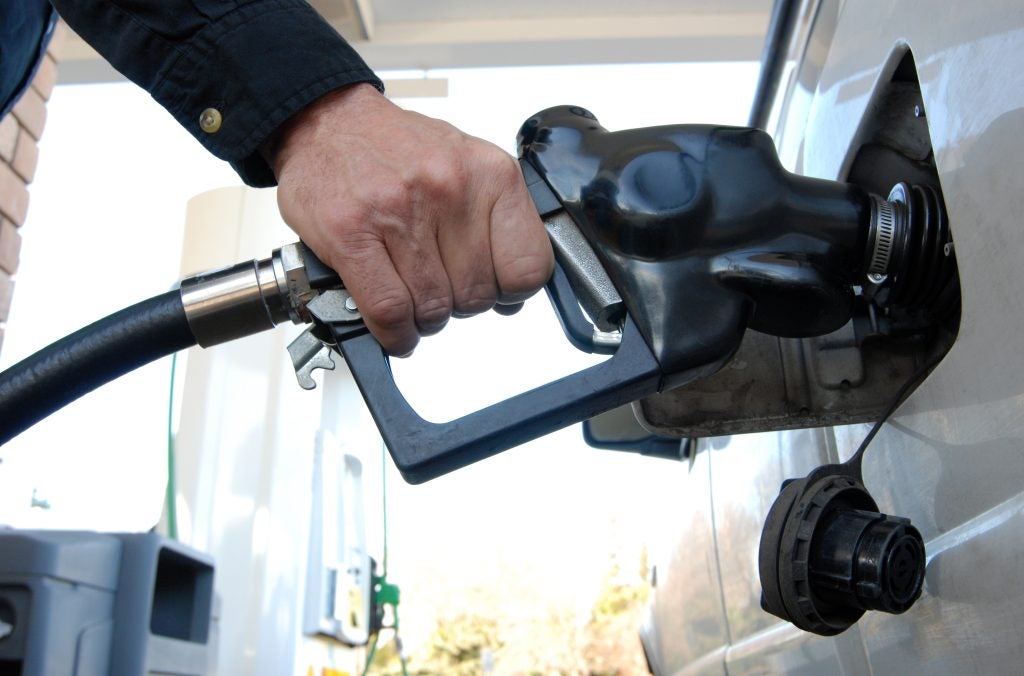
With gas prices constantly fluctuating, finding ways to stretch every gallon has never been more important. Whether you're commuting to work or heading out on a weekend road trip, improving your vehicle’s fuel efficiency can save you money and keep your car running smoothly. At Hulett, we’re here to help you make the most of every mile. Here are a few key ways to boost your gas mileage: Pay Attention to Your Fuel Not all gas is created equal. Fuels with a higher ethanol content tend to burn faster, which can reduce your mileage. Try filling up at different stations and tracking your mileage to see which one gives you the best performance. Sometimes, the right fuel can make a noticeable difference. Adopt Smarter Driving Habits The way you drive has a direct impact on how much fuel your vehicle uses. Rapid acceleration and frequent braking can quickly burn through gas. Instead: Coast to a stop whenever possible. Use cruise control on highways to maintain a steady speed. These small changes can add up to big savings at the pump. Keep Up with Regular Maintenance A well-maintained vehicle is an efficient vehicle. Routine maintenance can significantly improve fuel economy. Make sure to: Check and maintain proper tire pressure. Schedule regular oil changes. Keep your air filter clean. Get routine engine tune-ups. At Hulett, our Certified Buick, Chevrolet, and GMC Technicians service all makes and models. We’re here to keep your vehicle running at its best — and help you get the most out of every gallon. Ready to Improve Your Fuel Efficiency? Schedule your next service appointment with Hulett today and let our experienced team help you drive smarter and save more.